
Wallpaper Removal in Charlotte: Prep for Color Drenching
Wallpaper removal in Charlotte is best handled by professionals because old adhesive and drywall paper layers often tear away plaster if pulled too fast. That single mistake turns a weekend project into a costly drywall repair. Charlotte's older housing stock, much of it built between 1950 and 1990, is full of dated floral and textured wallpaper waiting to come down. As 2026 design trends push toward bold, saturated color, that outdated paper is the first thing standing in the way.
Why Charlotte Homeowners Are Stripping Old Wallpaper Now
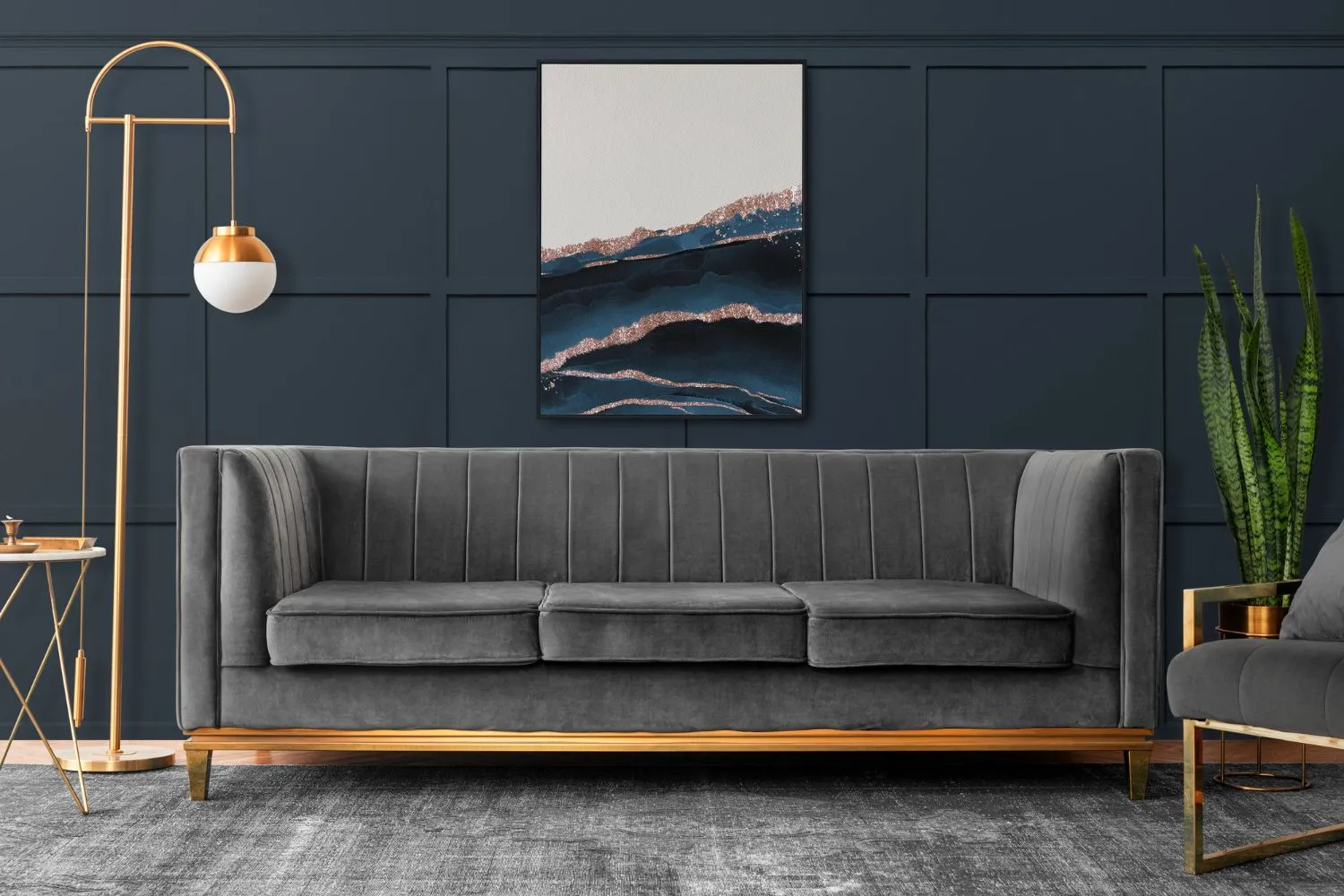
Neighborhoods across the area are shifting away from the flat, cool "greige" look that dominated interiors for years. Homeowners want warmth again, with earthy browns, taupes, and deep jewel tones like forest green and plum. This look, known as color drenching, coats walls, trim, and even ceilings in one cohesive shade for a dramatic effect. None of that works over a wall covered in aging vinyl wallpaper.
Getting to that fresh, saturated finish means starting with bare, smooth drywall. Wallpaper, especially older varieties with vinyl coatings, blocks paint from bonding properly. Skipping proper removal almost guarantees bubbling or peeling paint within months.
The Hidden Damage Behind That Floral Print
Wallpaper doesn't just look dated, it can hide real problems underneath. Adhesive breaks down over decades, and moisture from Charlotte's humid summers can seep behind the paper unnoticed. When homeowners finally strip it away, they sometimes find mold spots, cracked plaster, or uneven wall texture that needs repair before any paint goes on.
That's part of why professional wallpaper removal in Charlotte matters so much. A trained crew doesn't just scrape paper off. They assess the wall underneath, address damage, and prep the surface so new paint actually lasts.
Common DIY Mistakes That Cost Time and Money
Plenty of homeowners try to tackle wallpaper removal themselves before calling a painting company. It seems simple at first, but a few missteps can turn into expensive repairs.
Here are the mistakes we see most often:
- Skipping the score-and-steam step, which leaves stubborn adhesive residue behind
- Using too much water, softening drywall paper instead of just the wallpaper glue
- Pulling paper too aggressively, tearing off the top layer of drywall paper
- Ignoring old adhesive, which shows through new paint as a blotchy, uneven finish
- Painting over wallpaper seams, assuming they'll disappear once dry
Each of these issues adds hours of extra prep work, or worse, requires a drywall patch before painting can even start. A professional crew avoids these pitfalls because they've dealt with Charlotte's specific mix of older plaster walls and mid-century drywall many times before.
What Professional Wallpaper Removal Actually Involves
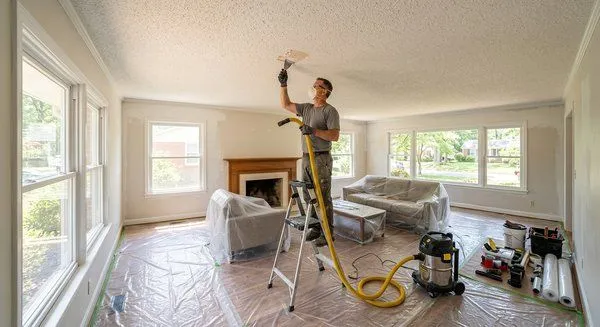
Removing wallpaper the right way takes more than a scraper and some elbow grease. A proper process protects the wall underneath while making sure the surface is truly ready for new color.
Typical steps include:
- Scoring the wallpaper surface to let solution penetrate the adhesive layer
- Applying a steaming or solution-based treatment to loosen the glue
- Carefully peeling layers without gouging the drywall beneath
- Washing away residual adhesive so primer and paint can bond
- Patching, sanding, and smoothing any uneven spots before priming
This groundwork is exactly what makes the difference between a paint job that lasts and one that starts peeling within a year. Customers often mention how much smoother the whole painting process feels once walls are properly prepped, rather than rushed.
Getting Ready for the Color Drenching Trend
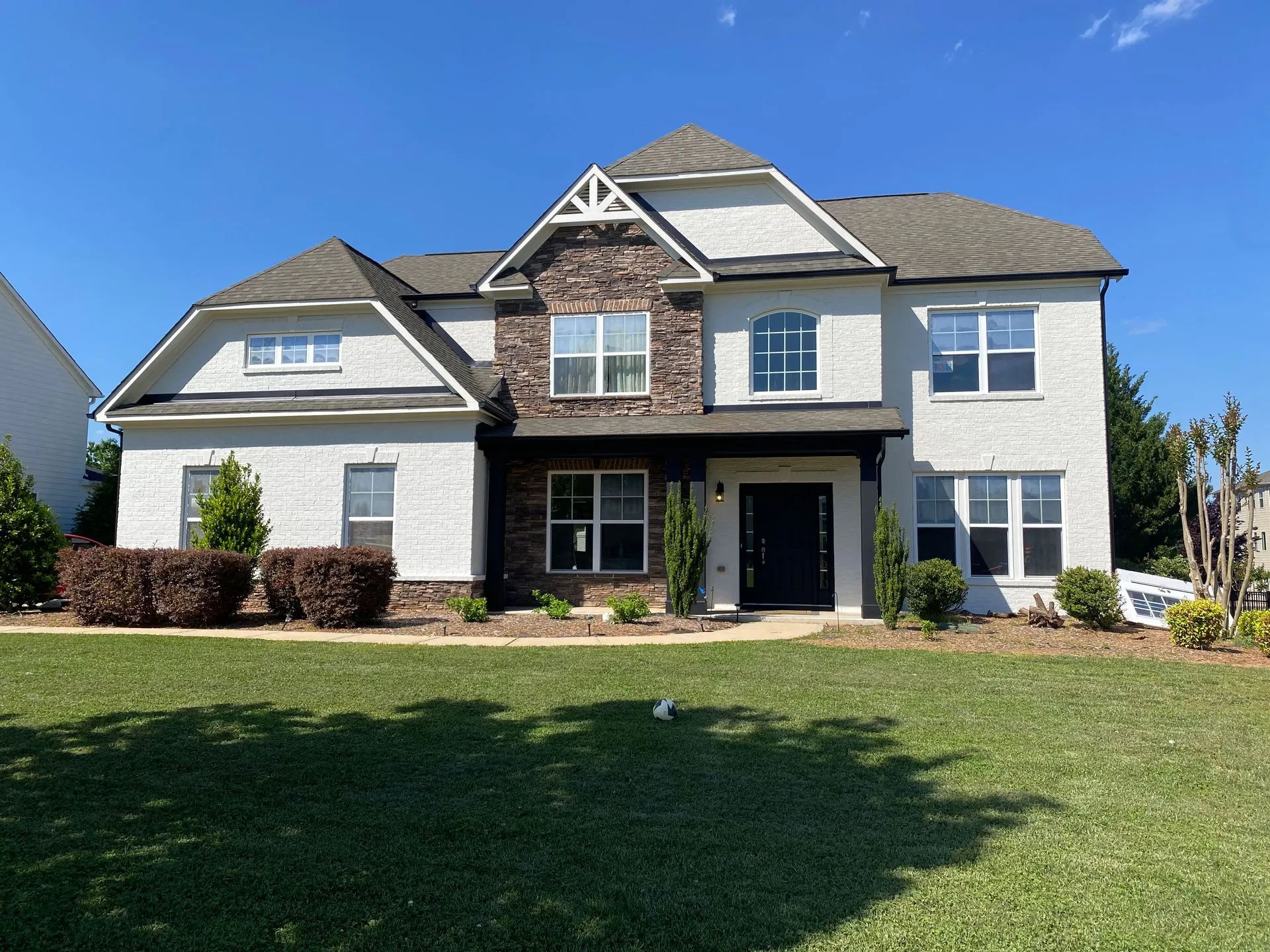
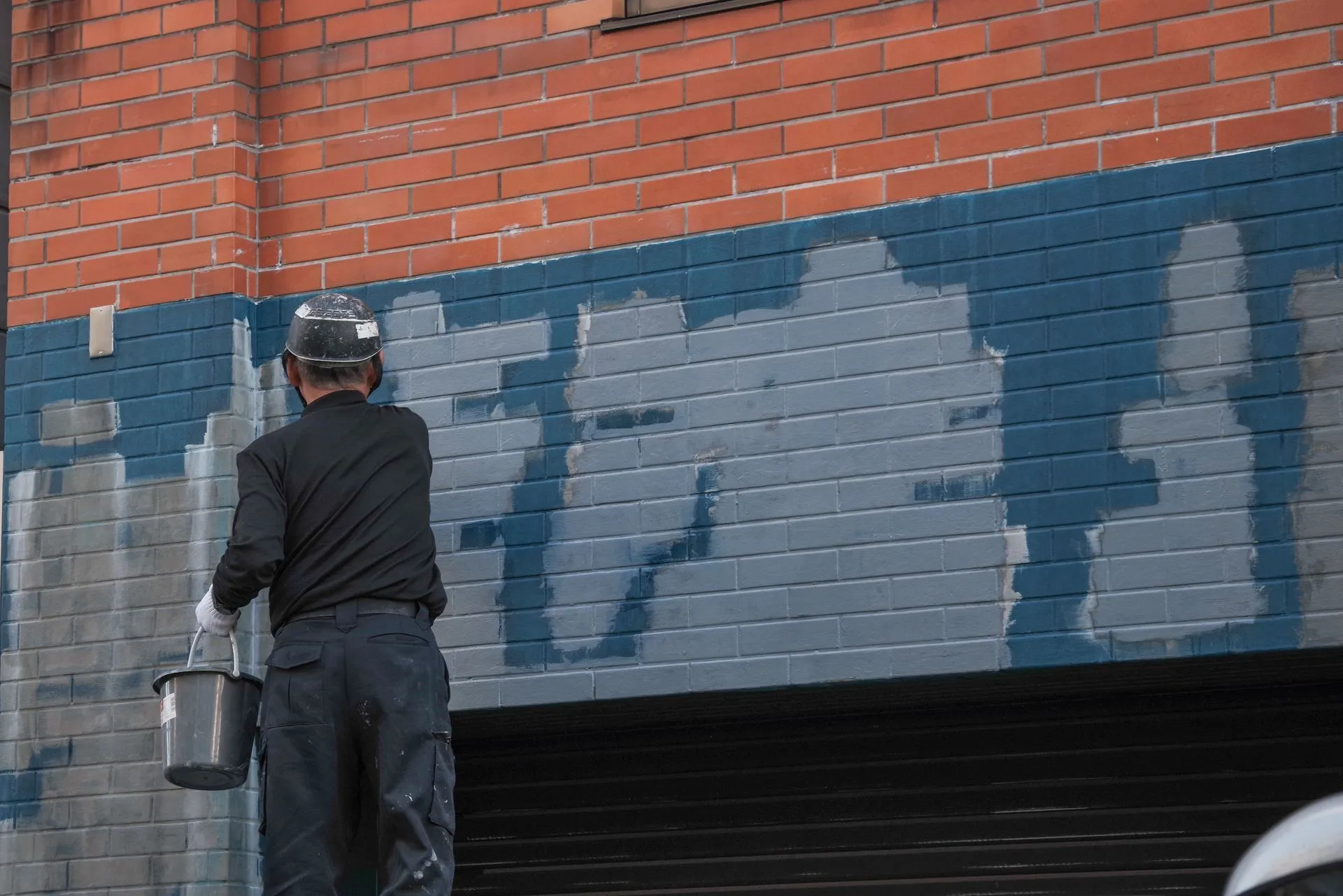
Once the walls are bare and smooth, homeowners finally have a blank canvas for 2026's boldest interior looks. Deep jewel tones and warm neutrals read best on clean, evenly primed drywall, not lumpy old adhesive. For exteriors, the same principle applies with warm whites and bronze or charcoal trim accents, though that starts with its own prep process.
October is a great time to tackle interior projects in Charlotte, since cooler, drier air helps paint cure evenly indoors. Homeowners planning a fall refresh often start with wallpaper removal, then move straight into interior painting once walls are ready. Pairing both projects together saves time and keeps the whole space consistent.
Painting & Moore has handled plenty of these transformations across older Charlotte and Matthews homes. The team understands how local humidity, older plaster, and decades of paper layers interact, and preps accordingly.
Frequently Asked Questions
Does wallpaper removal damage the walls underneath?
It can, if done incorrectly. Improper scraping or excess water often tears drywall paper or leaves adhesive residue. Professional removal minimizes this risk through proper scoring, steaming, and careful peeling techniques.
How long does wallpaper removal take before painting can start?
It depends on how many layers of paper are present and how old the adhesive is. Homes with multiple wallpaper layers, common in older Charlotte properties, take longer to strip and prep than a single, newer layer.
Can I paint directly over wallpaper to save time?
This almost always leads to bubbling, peeling, or an uneven texture showing through the new paint. Seams and adhesive lines telegraph through even multiple coats. Removing the paper first is the only reliable path to a smooth, lasting finish.
Is wallpaper removal messier than repainting?
It can be more labor intensive, since it involves scoring, steaming, and scraping before any painting begins. Professional crews contain the mess and handle disposal, which keeps the process far less disruptive for the household.
Ready to strip that dated wallpaper and get your walls ready for a bold new look this fall? Reach out to Painting & Moore to schedule a wallpaper removal consultation for your Charlotte or Matthews home.